Placing Your Bets: A Step-by-Step Guide to Decentralized Prediction Markets
Venturing into decentralized prediction markets might seem daunting, but the process is surprisingly straightforward once you understand the core mechanics. First, you'll need to establish a secure connection to a decentralized application (dApp) that hosts these markets, typically through a Web3-enabled browser wallet like MetaMask. This wallet will not only serve as your identity but also hold the cryptocurrency you intend to use for placing bets – commonly ETH or a stablecoin like DAI. Once connected, browse the available markets, which can range from the outcome of the next presidential election to the price of a specific cryptocurrency on a future date. Carefully review the market details, including the resolution timeframe, the oracle responsible for determining the outcome, and the available betting options. Understanding these elements is crucial for making informed decisions and mitigating potential risks.
After selecting a market, the betting process itself mirrors traditional exchanges but with the added transparency and immutability of blockchain. You'll typically be presented with options to “buy” or “sell” shares in a particular outcome. For example, if you believe a certain event will occur, you might “buy” shares in that outcome. The price of these shares fluctuates based on demand and perceived probability, much like a stock market.
- Input your desired amount: Specify how much cryptocurrency you wish to wager.
- Review the potential payout: The dApp will display your potential winnings if your chosen outcome is correct.
- Confirm the transaction: Your Web3 wallet will prompt you to approve the transaction, broadcasting it to the blockchain.
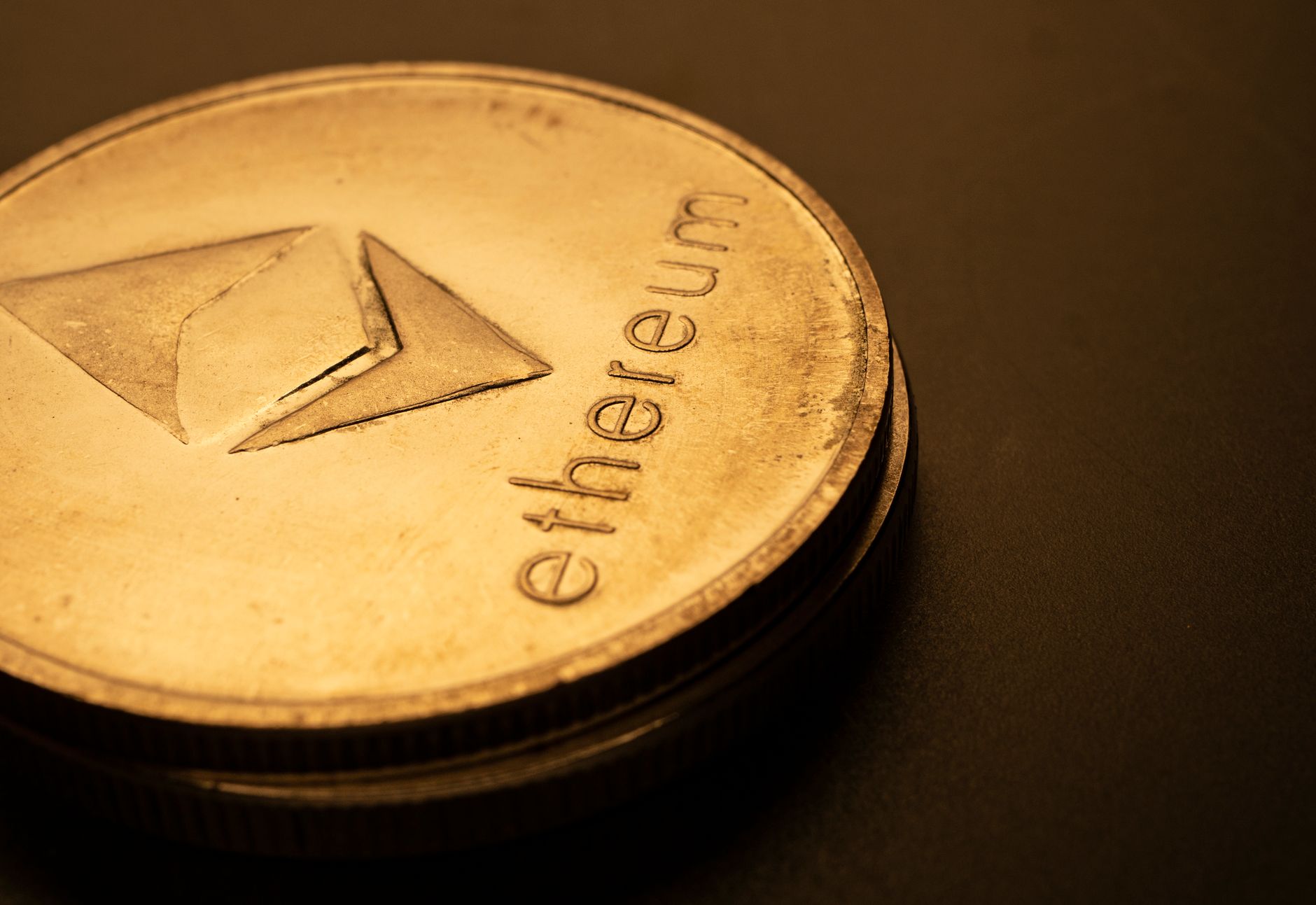
The rise of cryptocurrency has brought a new dimension to sports betting, with many platforms now offering ethereum world cup betting options. These platforms leverage the security and transparency of blockchain technology to provide a unique betting experience. Bettors can often place wagers using Ether and other cryptocurrencies, potentially offering quicker payouts and lower fees compared to traditional methods.
Decoding the Odds: Understanding DAI, Oracles, and Smart Contracts for Wager Success
Navigating the world of decentralized betting requires a fundamental grasp of its core components, and DAI is often the starting point. As a stablecoin pegged to the US dollar, DAI eliminates the volatility typically associated with cryptocurrencies, providing a reliable and predictable unit of account for wagers. Imagine placing a bet where the value of your stake doesn't fluctuate wildly between the moment you place it and the moment the outcome is decided – that's the power of DAI. This stability is crucial for accurate odds calculation and fair payouts, ensuring that both bettors and platforms can operate with confidence. Understanding DAI's role as a stable medium of exchange is the first step towards comprehending the mechanics of decentralized wagering and how it offers a more transparent and secure alternative to traditional bookmakers.
The integrity of decentralized betting hinges on two critical technologies: oracles and smart contracts. Smart contracts are self-executing agreements written directly into code, automatically enforcing the terms of a wager once predefined conditions are met. They eliminate the need for intermediaries, drastically reducing fees and increasing transparency. However, smart contracts alone cannot access real-world data, such as game scores or election results. This is where oracles come into play. Oracles are secure, third-party services that feed external information into the blockchain, triggering the execution of smart contracts. A reliable oracle network ensures that the outcome of a bet is determined accurately and impartially, directly impacting 'wager success' by guaranteeing that payouts are based on verifiable, real-world events, not centralized manipulation. This symbiotic relationship between oracles and smart contracts forms the backbone of trustworthy decentralized betting platforms.