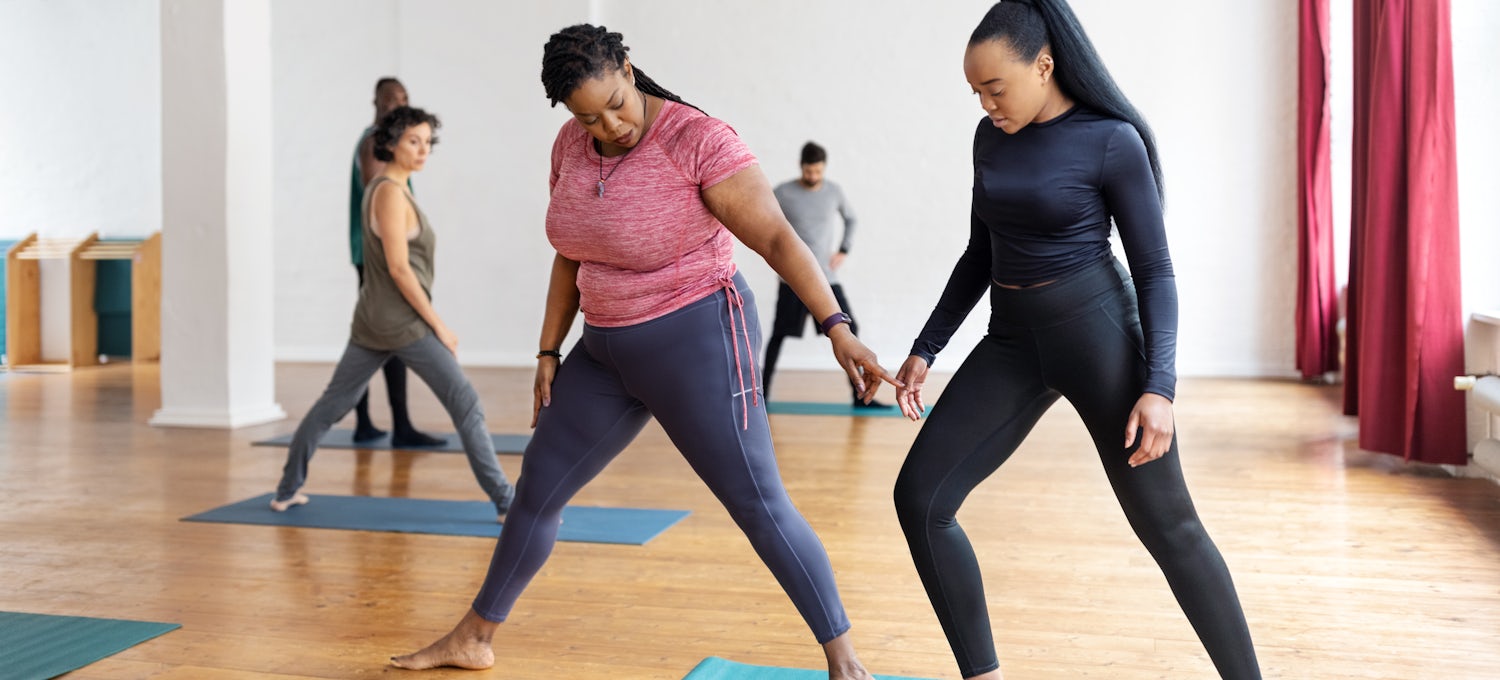
The Paradox of Pain: How Embracing Fitness Can Transform Your Life
The journey towards a healthier life often begins with an uncomfortable truth: pain is an integral part of growth. The paradox of pain reveals itself when we realize that embracing physical challenges through fitness can lead to profound personal transformation. Engaging in regular exercise not only strengthens the body but also fortifies the mind, teaching resilience and the ability to push through discomfort. By welcoming the discomfort of a workout session, individuals unlock their potential and discover the empowering effects of physical activity on their mental well-being.
As we delve deeper into the paradox of pain, we can identify several key areas where fitness can catalyze change in our lives:
- Improved Mental Health: Regular exercise has been shown to reduce symptoms of anxiety and depression, providing a natural way to enhance mood.
- Increased Confidence: Achieving fitness goals, no matter how small, can significantly boost self-esteem and encourage a positive self-image.
- Community and Support: Joining fitness classes or groups fosters a sense of belonging, making the journey more enjoyable while surrounded by like-minded individuals.
By understanding and embracing the paradox of pain, we can harness the transformative power of fitness to lead richer, more fulfilling lives.
Counter-Strike is a popular multiplayer first-person shooter game that pits teams of terrorists against counter-terrorists in a variety of objective-based game modes. Players can choose from different weapons and tactics to complete objectives such as bomb defusal or hostage rescue. Whether you're a seasoned player or new to the game, you might also want to check out Top 10 Apple Watch Bands for Sweating to enhance your gaming experience with wearable tech.
Fitness or Self-Torture? Debunking the Myths Behind a Healthy Lifestyle
In the quest for a healthier lifestyle, many individuals inadvertently fall into the trap of believing that fitness requires extreme sacrifice and discomfort. This misconception often leads to the idea that maintaining a healthy lifestyle is synonymous with self-torture. However, it's crucial to recognize that fitness should be an empowering journey rather than a painful endeavor. Embracing enjoyable physical activities, balanced nutrition, and adequate rest can create a sustainable approach to wellness that invigorates rather than depletes.
It's important to debunk some of the most common myths that fuel this notion of self-torture in the name of fitness. For instance, the belief that one must spend hours at the gym or adhere to a bland diet is simply untrue.
- Fitness can include enjoyable activities
- Healthy eating can be diverse and delicious
- Rest and recovery are equally important for progress
Why We Love to Hate It: Understanding the Psychology of Fitness as Self-Discipline
Fitness often evokes a spectrum of emotions—from sheer enthusiasm to palpable disdain. Understanding this duality requires a deep dive into the psychology of self-discipline. Many people love to hate the rigorous demands of fitness because it challenges their comfort zones and forces them to confront their limitations. This conflict between desire and obligation creates a complex emotional landscape that often leaves individuals feeling conflicted about their fitness journeys. On one hand, the endorphin boost from a successful workout can be exhilarating; on the other, the initial struggle to stay committed to a routine can make fitness feel more like a chore than a choice.
Moreover, the notion of fitness as self-discipline taps into broader societal narratives about success and dedication. Those who embrace their physical fitness often find themselves grappling with feelings of guilt or failure when they skip a workout or indulge in unhealthy eating. This psychological burden makes it easy to love to hate the relentless pursuit of fitness goals. However, recognizing this psychological push-pull can empower individuals to foster a more balanced relationship with fitness—one that embraces both the demanding and rewarding aspects of self-discipline.