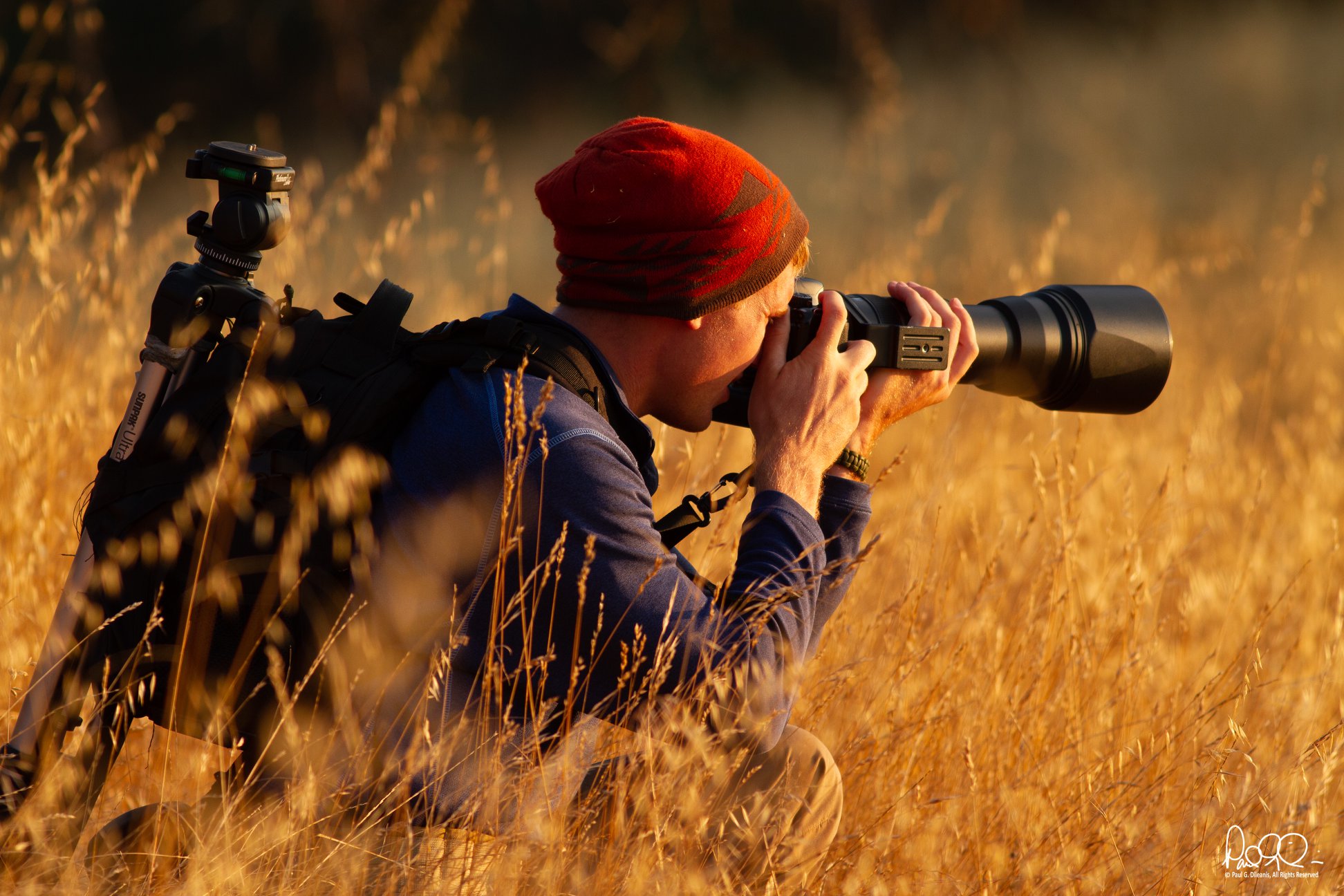
Capturing the Moment: Techniques for Everyday Photography
Everyday photography is about capturing the moment, and there are techniques that can elevate your images from ordinary to extraordinary. One of the fundamental techniques is understanding natural light. Photographers often refer to the golden hour, which is the time shortly after sunrise or before sunset when the light is soft and warm. To make the most of this lighting, consider shooting during these times for richer colors and improved depth in your photos.
Another key technique is to focus on the composition of your shot. Using the rule of thirds can significantly enhance your photography. Imagine dividing your frame into a 3x3 grid and position important elements along these lines or at their intersections. This simple yet effective method draws the viewer's eye and creates balance in your images. Additionally, don’t overlook the power of leading lines; they can guide the viewer’s attention and add a sense of direction to your photographs.
Counter-Strike is a popular tactical first-person shooter game that has captivated players for years. Its competitive nature and strategic gameplay make it a favorite in the esports community. Players often seek the best gear to enhance their gaming experience, including items like Top 10 Camera Grips for iPhone 17 to capture their gameplay highlights. With numerous updates and a dedicated player base, Counter-Strike continues to evolve while maintaining its position as a top-tier shooter.
The Evolution of Photography: From Film to Digital Snapshots
The evolution of photography has been a remarkable journey, transitioning from the traditional film eras to the revolutionary world of digital snapshots. In the early days of photography, film cameras dominated the landscape, capturing moments on chemical emulsions that required darkrooms for development. This process was not only time-consuming but also required a level of skill and patience that often deterred casual photographers. The introduction of digital photography in the late 20th century changed everything, making it possible for anyone to take high-quality images instantly. With the rise of CCD sensors and affordable digital cameras, photography became more accessible, transforming it into a popular hobby and a vital tool for professional storytellers.
As technology progressed, the transition from film to digital snapshots brought about significant advancements in the way we capture and share images. With the advent of smartphones equipped with powerful cameras, photography entered a new phase where anyone could document their lives and share experiences online. This shift has led to a dramatic increase in the volume of photographs taken daily—estimated to be in the billions. Moreover, digital editing tools and social media platforms have fostered a new generation of creatives, allowing for instant feedback and collaboration. Photography has not only become a tool for personal expression but has also shaped the narrative of our modern culture, influencing everything from advertising to social movements.
How to Tell a Story Through Your Everyday Photos
Capturing moments through everyday photos is not just about documenting events; it's about telling a story. Each image has the potential to convey emotions, settings, and experiences that resonate with viewers. To begin, consider your surroundings and the story you want to tell. Focus on the details that stand out, whether it's the light filtering through a window, a child's laughter, or the textures of a bustling street. Using storytelling techniques in photography involves looking for specific moments that encapsulate larger themes in your life, offering insights into your unique narrative.
Once you've taken your photos, the next step is to curate and arrange them thoughtfully. This can be achieved through thematic series, collages, or even a chronological layout that guides your audience through a day in your life. Remember to include captions that enhance the photos and provide context, allowing viewers to connect with your story on a deeper level. By combining visual elements with written content, you create a cohesive narrative that invites your audience to engage not just with your images, but with the story behind them.