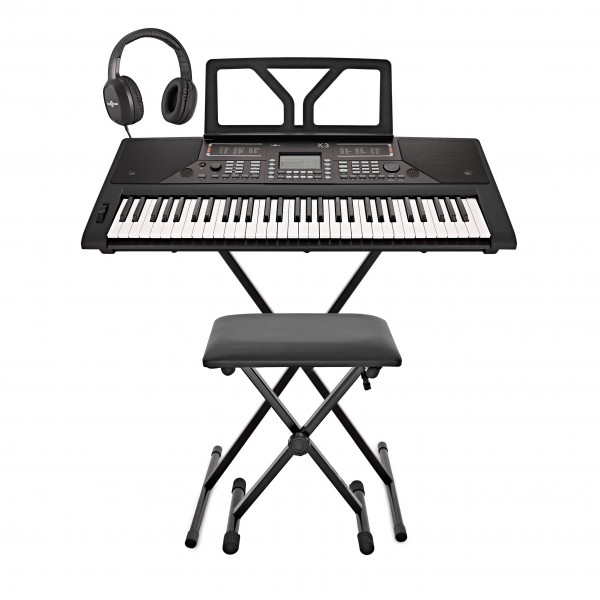
The Art of Typing: How to Turn Every Keystroke into a Musical Note
Have you ever considered that the simple act of typing can be transformed into a mesmerizing symphony? The Art of Typing goes beyond mere words on a screen; it is a unique blend of rhythm, speed, and melody. Each keystroke can resonate like a musical note, crafting a composition that reflects your thoughts and creativity. By incorporating techniques from both typing and music, you can elevate your written expressions into an auditory experience. For instance, typing at a steady pace can mimic the tempo of your favorite tunes, while varied key pressures can create dynamics akin to musical crescendos or diminuendos.
To master The Art of Typing, consider the following steps:
- Practice regularly: Like any musician, consistent practice will enhance your skills over time.
- Listen to music: Pay attention to the rhythm and flow of different genres to inspire your typing speed and style.
- Experiment with sound: Use typing software that produces audio feedback for every keystroke, turning your typing into a literal musical experience.
Counter-Strike is a highly popular multiplayer first-person shooter that has captivated gamers around the world since its initial release in 1999. The game pits two teams against each other, typically Terrorists and Counter-Terrorists, as they compete to complete objectives or eliminate the opposing team. Players can enhance their gameplay experience with various tools and equipment, which is why it's essential to check out the Top 10 Accessories for Coding with MacBook to find the best gear tailored for your gaming setup.
Top 10 Tips for Creating a Harmonious Typing Experience
Creating a harmonious typing experience is essential for productivity and comfort, especially in today's digital age. Here are the top 10 tips to enhance your typing journey:
- Choose the Right Keyboard: Invest in a keyboard that suits your typing style, whether it's mechanical, membrane, or ergonomic.
- Optimize Your Posture: Ensure your back is straight, wrists are slightly elevated, and the screen is at eye level to prevent strain.
- Adjust Your Environment: Maintain good lighting and a clutter-free workspace to help minimize distractions.
- Take Regular Breaks: Incorporate the 20-20-20 rule—every 20 minutes, look at something 20 feet away for 20 seconds to reduce eye strain.
- Practice Touch Typing: Improve your typing speed and accuracy by learning the touch typing method, which allows you to keep your eyes on the screen.
Additionally, consider these remaining tips to further enhance your typing experience:
- Customize Keyboard Shortcuts: Familiarize yourself with shortcuts for your most-used software to speed up your workflow.
- Utilize Proper Hand Placement: Keep your fingers on the home row keys (A, S, D, F, J, K, L, and ;) for optimal control.
- Invest in Quality Keycaps: High-quality keycaps can improve tactile feedback and comfort while typing.
- Engage in Typing Games: Make learning fun by playing typing games that challenge and improve your skills.
- Stay Hydrated and Healthy: Maintaining good hydration and nutrition can enhance focus and efficiency during long typing sessions.
How to Choose Your Ideal Keyboard for a Symphony of Sounds
Choosing your ideal keyboard can significantly enhance your musical experience, moving you toward a true symphony of sounds. To begin your journey, consider the type of music you plan to create. Are you leaning towards classical, electronic, or perhaps a mix of genres? Each keyboard comes with its own unique sound palette and features that cater to different styles. A weighted keyboard might be perfect for classical pianists aiming for an authentic feel, while synthesizers shine in electronic compositions, providing diverse sound manipulation options.
Next, assess the specific features that matter most to you. For instance, polyphony—the number of notes that can be played simultaneously—is crucial for complex pieces. Additionally, look for keyboards that offer a range of sounds and built-in effects to truly create your personal symphony of sounds. Portability is another key factor; if you plan to perform live, a lightweight model with battery power options will make transport much easier. Ultimately, taking the time to understand your needs will guide you to the keyboard that complements your musical aspirations perfectly.