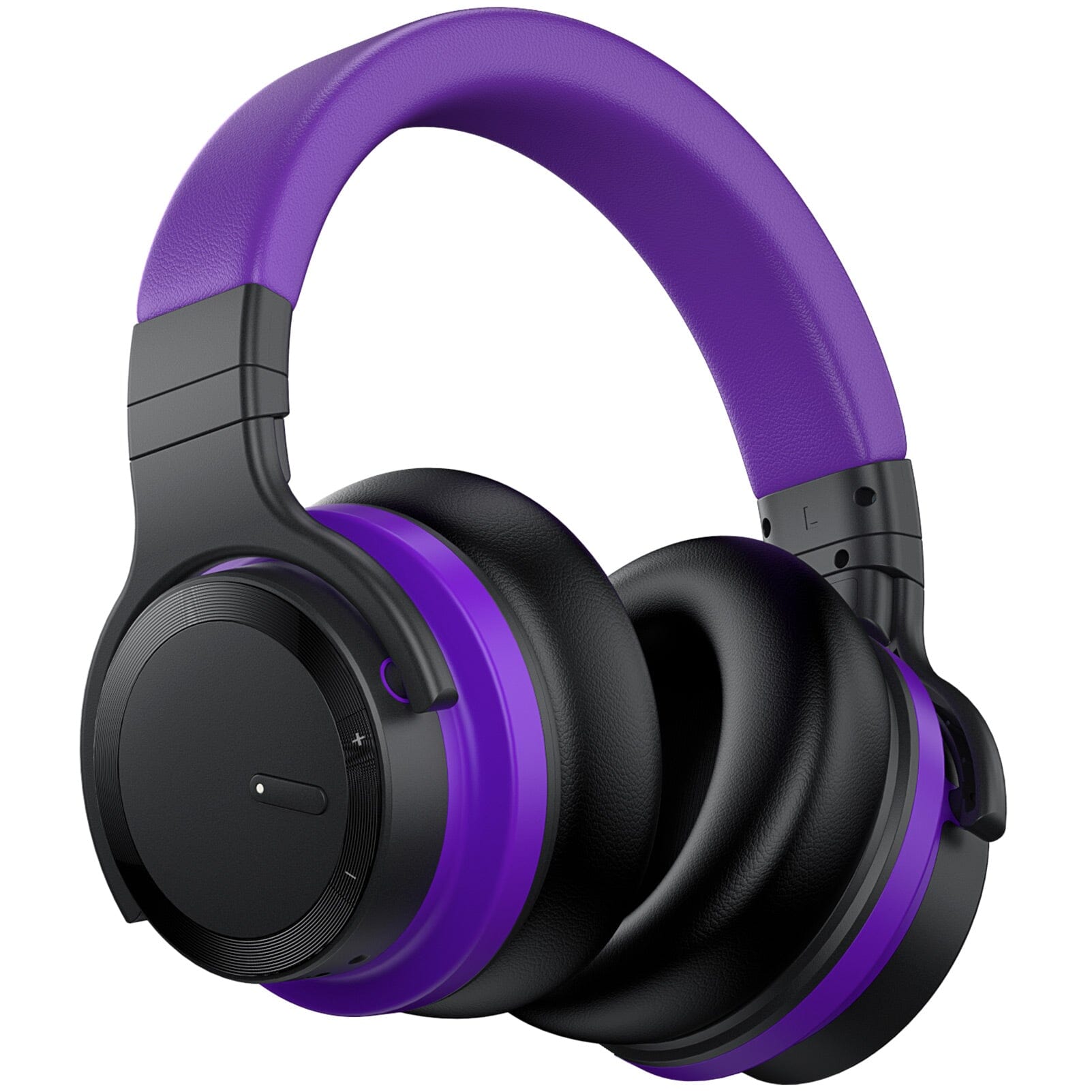
Understanding Headphone Specifications: A Simple Guide to the Numbers and Letters
When diving into the world of headphones, you might encounter a flurry of specifications represented by numbers and letters. Understanding these can feel overwhelming, but they're essential for making an informed choice. Key specifications such as impedance, sensitivity, and frequency response reveal how a headphone behaves under different conditions. For instance, impedance is measured in ohms (Ω) and indicates how much power a headphone requires to deliver optimal performance. Generally, lower impedance (like 16-32 Ω) means headphones will work well with portable devices, while higher impedance (over 60 Ω) is typically suited for professional audio equipment.
Another crucial specification is sensitivity, often expressed in decibels (dB), which measures how efficiently headphones convert an electrical signal into sound. Higher sensitivity ratings indicate that the headphones produce more sound at a given power level. Additionally, the frequency response is vital; it details the range of sounds the headphones can reproduce, usually measured in hertz (Hz). A response from 20 Hz to 20 kHz covers the full range of human hearing, but personal preference plays a role in what sounds best. By grasping these headphone specifications, you can choose a pair that fits your needs and enhances your listening experience.
Counter-Strike is a popular tactical first-person shooter game that has captivated millions since its inception. Players can take on the role of terrorists or counter-terrorists in various game modes, focusing on teamwork and strategy. To enhance your gaming experience, you might want to check out the Top 10 Earbuds for Zoom Calls which provide excellent sound quality and comfort during intense matches.
What Does It All Mean? Decoding Headphone Jargon for the Average Listener
When it comes to buying headphones, the plethora of technical jargon can be overwhelming for the average listener. Terms like frequency response, impedance, and noise cancellation are thrown around frequently, but what do they really mean? Understanding these terms is essential to making an informed purchase. For instance, frequency response is a measure of how well headphones can reproduce sound at different frequencies, typically measured in Hertz (Hz). A wider frequency response means a richer, more detailed sound, letting you enjoy music as it was intended.
Another crucial term is impedance, which refers to the resistance headphones present to the audio source. Headphones with lower impedance (around 16 to 32 ohms) generally work well with portable devices, while those with higher impedance (over 100 ohms) may require an amplifier for optimal performance. Lastly, noise cancellation technology can drastically enhance your listening experience by blocking out ambient sounds, allowing you to immerse yourself in your music or podcasts fully. In an era steeped in sound, understanding this jargon helps you choose headphones that truly resonate with your audio preferences.
Are You Getting the Best Sound? Key Headphone Terms Explained
When it comes to choosing the right headphones, understanding key headphone terms can greatly enhance your listening experience. Terms such as frequency response, impedance, and sound isolation play vital roles in the sound quality you receive. For example, frequency response refers to the range of sounds your headphones can produce, typically measured in hertz (Hz). A wider frequency range can lead to a more dynamic listening experience, allowing you to hear deeper bass and crisper highs.
Additionally, impedance indicates how much resistance a headphone has to the electrical current from your audio device. Lower impedance headphones (typically under 32 ohms) are ideal for portable devices like smartphones, while higher impedance headphones (over 100 ohms) may require dedicated amplifiers for the best sound. Sound isolation, on the other hand, refers to how well headphones can block external noise, helping you to immerse yourself in your music without distractions. By familiarizing yourself with these terms, you can ensure you are not just getting sound, but the best sound.