The Ultimate Guide to USB Charger Types: Which One is Right for Your Device?
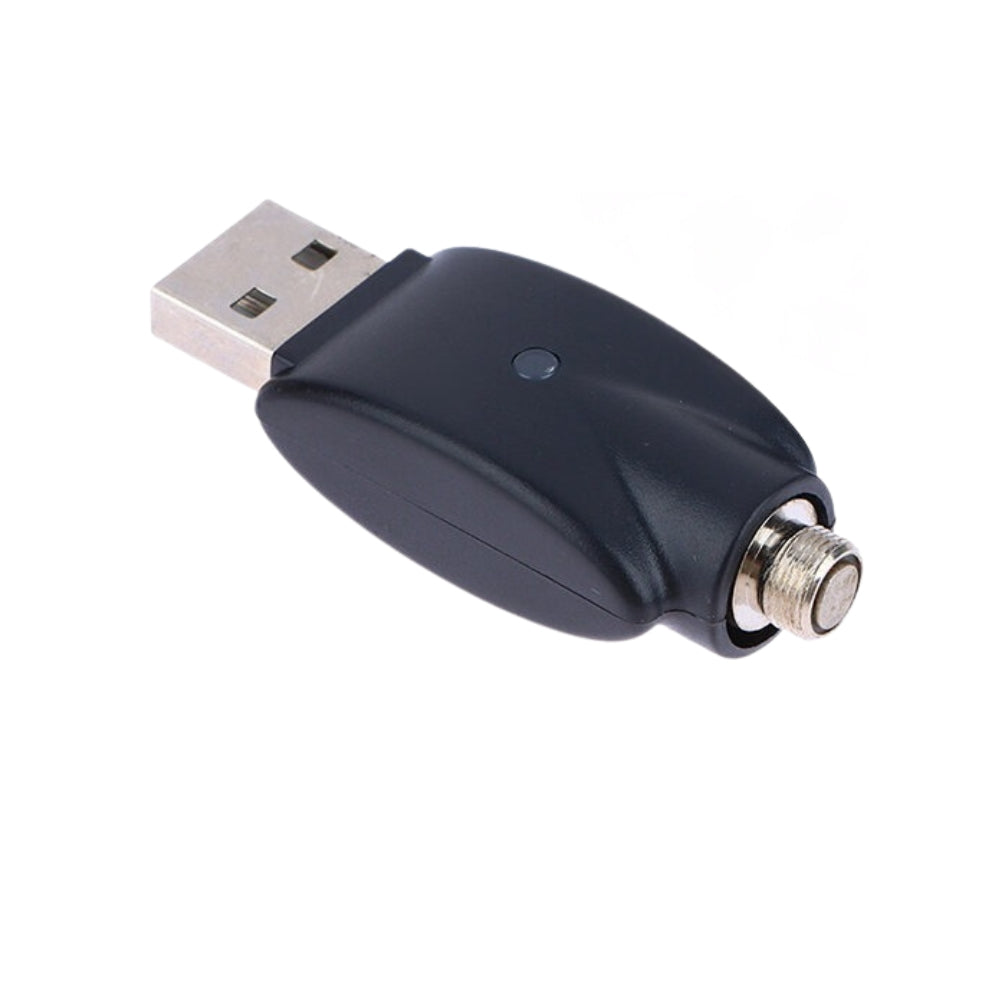
USB chargers come in various types, each designed to meet specific charging needs. Understanding the differences between USB charger types is crucial for ensuring that your devices charge efficiently and rapidly. The most common types include USB-A, USB-B, and USB-C. USB-A, which is the standard rectangular connector, is often found on chargers and laptops. In contrast, USB-B connectors are typically used for printers and other peripherals. However, USB-C has emerged as the most versatile option, supporting faster charging and data transfer speeds, making it compatible with a wide range of devices from smartphones to laptops.
When selecting the right USB charger for your device, consider factors such as power output, compatibility, and charging speed. Power output is usually measured in watts (W); devices requiring more power, like tablets and laptops, typically need chargers rated at 18W or higher. Additionally, always check for compatibility between your device's charging port and the charger type. Some devices may not charge optimally if the charger type doesn’t match. Finally, look at the charging speed, as a higher wattage charger can significantly reduce charging time, especially for devices that support fast charging technology.
Counter-Strike is a popular team-based first-person shooter game that has captivated players since its release. It requires strategic gameplay, teamwork, and quick reflexes. One of the most important aspects of gaming on the go is having a reliable charger, especially for mobile devices. Check out the Top 10 iPhone car chargers to ensure your gaming sessions are never interrupted.
5 Common USB Charging Mistakes to Avoid for Optimal Device Performance
When it comes to charging your devices via USB, many users unknowingly make mistakes that can hinder optimal performance. One of the most common errors is using non-branded chargers. While it may be tempting to save money with cheaper alternatives, these chargers can vary significantly in their output, potentially damaging your device's battery over time. Always opt for reputable brands and ensure that the charger is compatible with your device.
Another mistake is overcharging your devices. Many users leave their phones plugged in overnight or for extended periods, exceeding their battery's charging cycle. This practice can lead to reduced battery life. To promote longevity, unplug your device once it reaches 100% or set a timer to remind you to disconnect it. Follow these tips, and you'll enjoy better performance and a longer battery lifespan.
How to Choose the Best USB Charger: Key Features to Consider
Choosing the best USB charger for your devices can be daunting given the plethora of options available in the market. To make an informed decision, it's essential to assess several key features. First, consider the charging speed. Look for chargers that support fast charging technologies like Qualcomm Quick Charge or USB Power Delivery (PD), which can significantly reduce the time it takes to power up your devices. Additionally, check the wattage rating; higher wattage ratings mean faster charging capabilities but ensure it is suitable for your device's specific requirements.
Another crucial factor is the number of ports available. If you frequently charge multiple devices, opt for a charger with several USB ports to avoid the hassle of swapping chargers. Port compatibility should also be evaluated—some chargers come with multiple port types (USB-A, USB-C) to accommodate a wider range of devices. Lastly, consider the design and safety features, such as overheating protection and surge protection, which are vital for protecting your devices. By considering these features, you'll be well-equipped to choose the best USB charger that fits your needs.